When your neck and shoulders feel tight, your back is uncomfortable or you are tired after exercise, many people ask: "Should I get a massage, see a physiotherapist or try myofascial manual work?"
The answer should not depend only on which approach "feels deepest". It starts with understanding your goals, your symptoms, your health and who is providing the service.
The Differences Between Four Approaches
| Approach | Main purpose | Typical arrangement | Service boundary |
| Relaxation massage | Comfort, relaxation and relief from daily tiredness. | Soft-tissue massage, with pressure adjusted to personal preference. | Not a medical diagnosis or physiotherapy. |
| Physiotherapy | Assess and manage pain, injury or functional problems that affect movement. | Clinical assessment, exercise therapy and suitable hands-on or other treatment. | Provided only by registered physiotherapists |
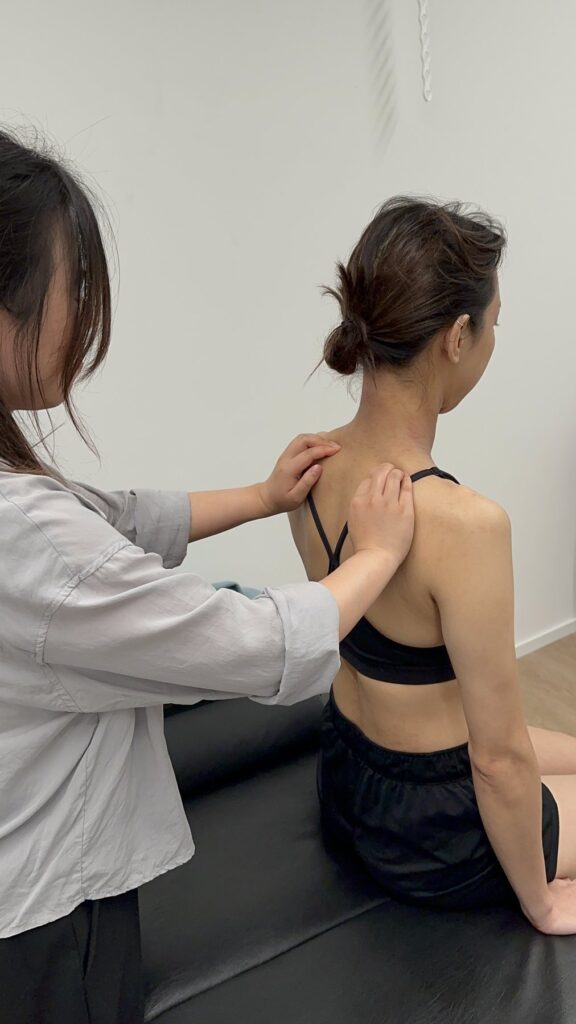
| Myofascial manual work | Use touch and soft-tissue techniques to help improve body awareness. | Adjusted according to goals, tissue response and the movement that follows. | Not as pushing bones "back into place" or as guaranteeing a cure |
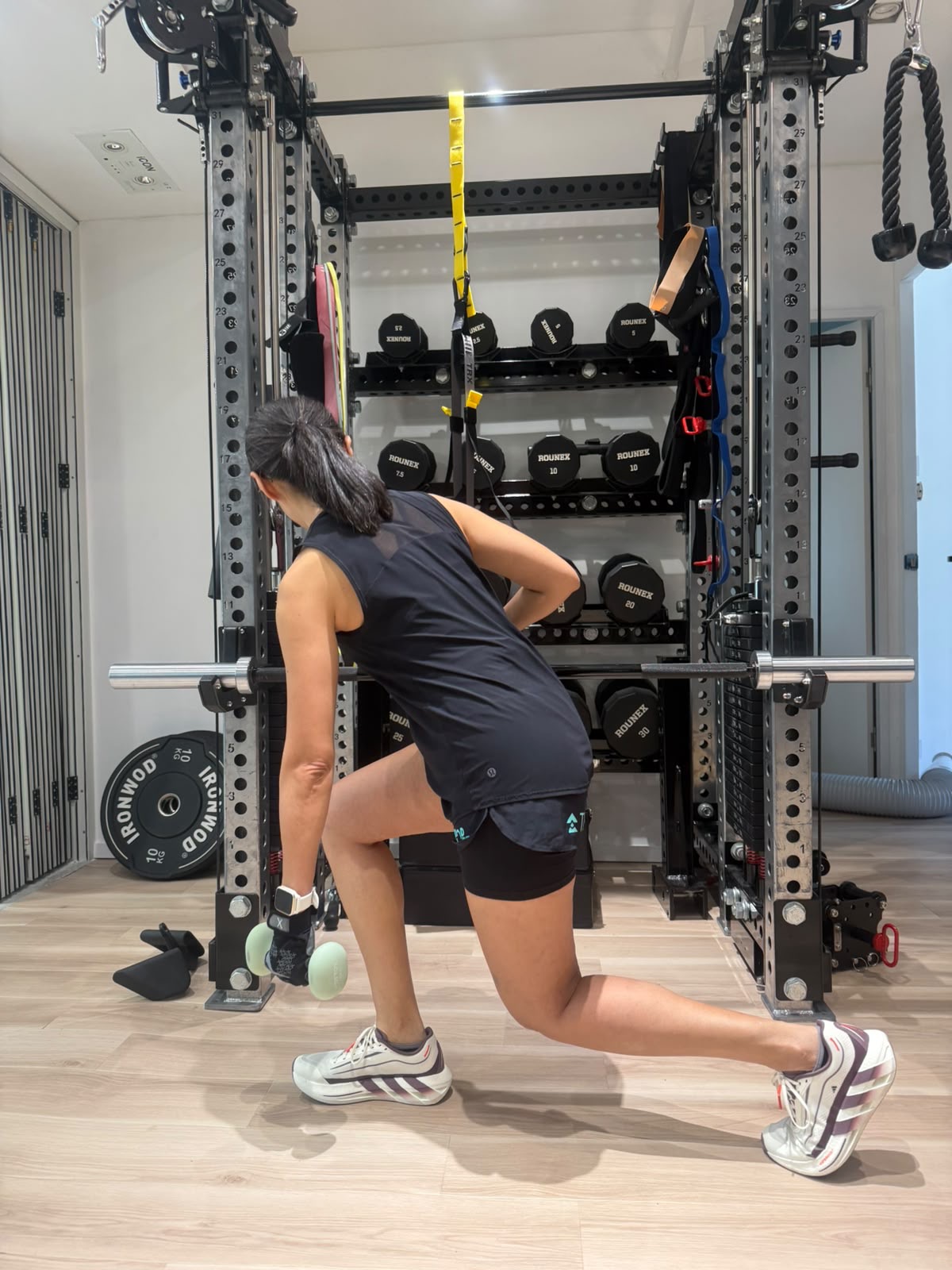
| Active training | Build strength, movement control, balance and everyday capacity. | Weight-bearing, pushing, pulling, lifting, walking, stepping, rotating and practice. | Cannot replace necessary medical diagnosis and treatment. |
The four are not necessarily mutually exclusive. Some people only need to relax. Some should have a physiotherapy assessment first. Others may use myofascial manual work to create a temporary change in movement, then use active training to turn it into capacity they can actually use.
TOBETTRA's Service Boundaries
TOBETTRA does offer one-to-one myofascial manual work and active training. Where pain assessment and management are involved, services are provided according to individual needs by:
- A registered physiotherapist, who provides physiotherapy assessment and services within their registered scope of practice
- A certified Anatomy Trains Structural Integration practitioner, who provides structural integration and myofascial manual work within their training and professional scope
The qualifications and professional scopes of the two are different. Physiotherapy services are provided only by registered physiotherapists, and general dynamic training is never described as physiotherapy.

What Can Myofascial Manual Work Do?
Myofascial manual work is one part of our overall programme. Its aims include:
- Providing tactile feedback to help you notice your body position
- Exploring a more comfortable range of movement before active practice
- Working alongside breathing, joint movement and relearning movement
- Observing whether a specific movement shows a repeatable change before and after the work
But manual work alone cannot permanently "release adhesions", correct all postural patterns, push the spine or pelvis into a standard position, or resolve every kind of pain by itself. If a change lasts only while the treatment is being done and cannot be carried into weight-bearing and everyday movement, its practical value is limited. This is where dynamic training matters.
When Should You Not Go Straight to Manual Work?
You should have a medical assessment first if you have an acute injury, a suspected fracture, a skin infection or open wound, unexplained swelling, fever, a known or suspected blood clot, significant neurological symptoms, or a serious or unstable health condition.
If you take anticoagulant medication, have osteoporosis, have recently had surgery, are undergoing cancer treatment or are pregnant, please tell us before you book so that a suitably qualified professional can judge whether the work is appropriate and what adjustments are needed.
Serious adverse events from massage are uncommon. However, the US National Center for Complementary and Integrative Health notes that rare reports include blood clots, nerve injury and fractures, and some cases involved forceful deep-tissue massage or people who were already at higher risk. "The more it hurts, the better it works" is therefore not a safety principle.
Why Do You Still Need Active Training?
Manual work can be a way in, but life requires you to bear weight, turn, walk, lift and cope with different environments yourself. TOBETTRA's proprietary DynaStrength Training™ connects services to a four-stage pathway according to your condition:
1.
Unlock: Understand restrictions, compensation and how the body responds.
2.
Load: Add strength within a controllable range.
3. Rebuild: Integrate multi-joint and everyday movements.
4.
Consolidate: Maintain capacity through home practice and regular reviews.
Feeling good after a session can be a valuable experience. But what TOBETTRA cares about more is whether you can bring that improvement back to walking, working, travelling and the activities you enjoy.
How Do You Choose?
- If you mainly want to relax and ease general tiredness, start by looking into massage services.
- If pain persists, affects your function, follows a recent injury or comes with neurological symptoms, seek medical or registered physiotherapist assessment.
- If you want to improve body awareness and move into movement practice, find out whether myofascial manual work is suitable.
- If you want the change to last and carry through into daily life, build the matching active training and self-management ability.
At TOBETTRA, apart from the first, we can offer an integrated programme. Of course, the key to choosing a service is not which technique is strongest, but which arrangement best fits your needs, risks and next step.
Important: This article is for general information only. It cannot replace the individual assessment, diagnosis or treatment of a doctor, registered physiotherapist or other qualified professional.