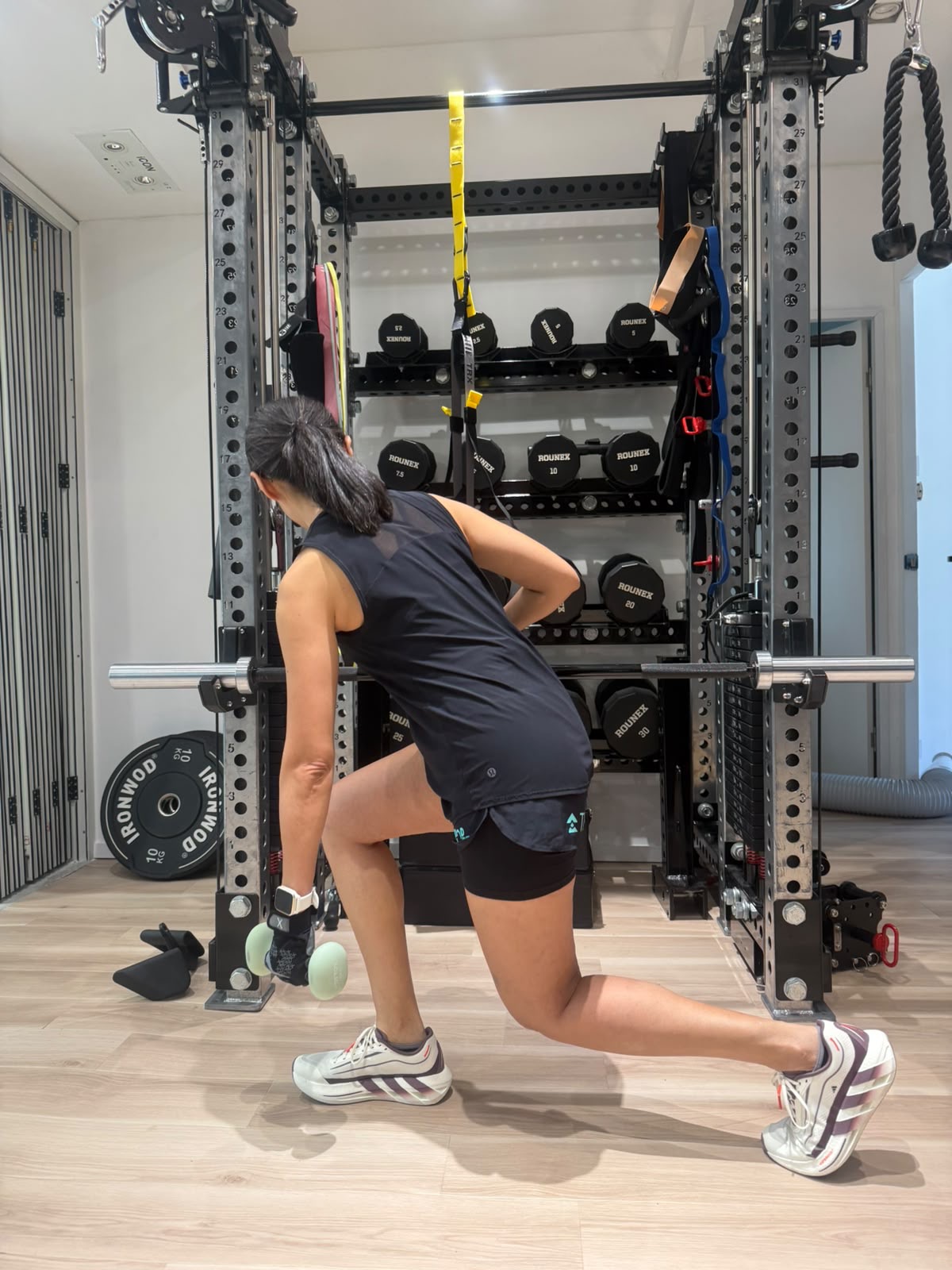

Starting Again After a Long Break?
Regain Control First, Then Add Load
"I know I should exercise, but I'm afraid I'll do something wrong and end up in more pain."
Many people face the same difficulty after a period away from training, a previous injury or years of sitting for long hours. They know that being active matters, but they do not know where their body can begin.
Starting again does not require you to prove how strong you are. What matters is finding a starting point your body can understand, tolerate and sustain.
You Do Not Have to Wait Until You Are Fully Ready
Many people believe they must first resolve every discomfort, improve their flexibility or regain their former fitness before they can begin training. They wait, and wait, and their activity levels fall even further. A more practical approach is to start by establishing where you are today:
- Which everyday movements are already affected
- Which positions or directions tend to cause discomfort
- Whether you can shift your weight steadily
- How long you need to recover after activity
- Whether there are warning signs that call for medical assessment first
For people who do not yet feel ready, TOBETTRA developed DynaStrength Training™ (DST). Our team created it through years of observing adults in midlife and beyond, including those with long-standing pain, working alongside colleagues from several professional backgrounds. It brings together myofascial tension-chain principles, structural movement assessment and functional movement training.
We usually recommend beginning with dynamic training. Your Movement Specialist starts with simpler, more controllable movements, then adjusts according to how your body responds.
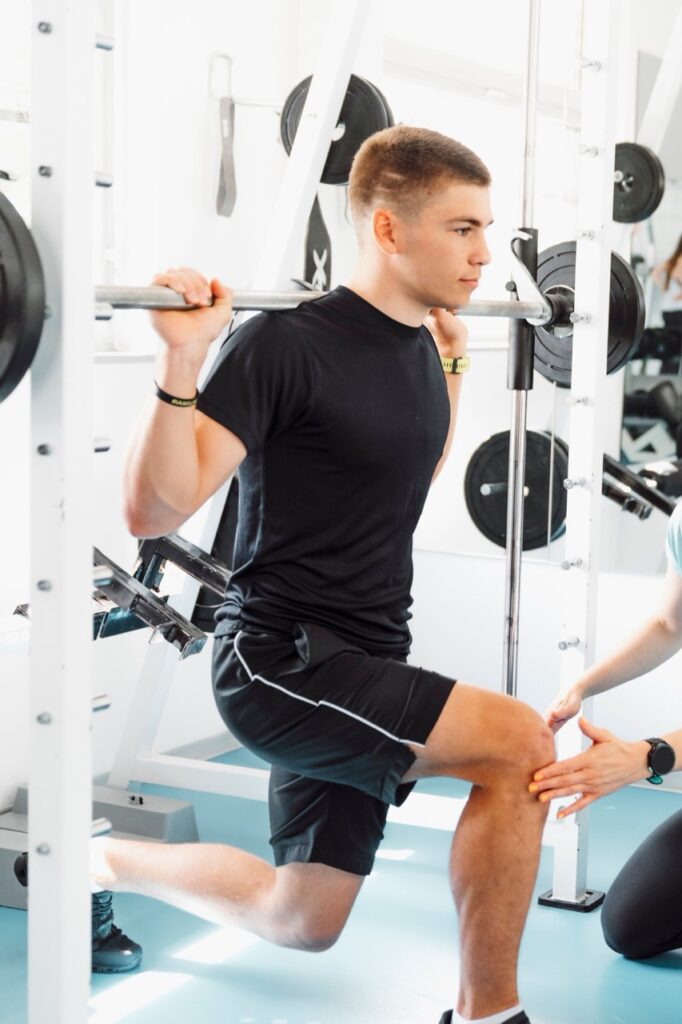
Three Foundations We Address First
Mobility and Control
Being able to bend lower or turn further does not necessarily mean you move better. We first check whether your joints are stable within their usable range, and whether your lower back, neck and shoulders or knees are doing more than their share.
Breathing and Trunk Coordination
Holding your breath, lifting your shoulders or locking the lower back during effort can make simple movements feel harder than they need to. Relearning how breathing and the trunk work together helps build a more natural way of producing force.
Lower-Body Loading and Balance
Moving from sitting to standing, stepping onto a stair, turning and standing on one leg are the foundations of everyday activity. Training provides support where needed, then gradually reduces your reliance on it.
Four Stages for Rebuilding Capacity
TOBETTRA's DynaStrength Training™ does not place you straight back at your former training intensity. It follows this pathway:
1. Unlock: Observe breathing, joint movement, weight transfer and compensation patterns.
2. Load: Introduce load through sit-to-stand movements, pushing, pulling, carrying and supported balance.
3. Rebuild: Carry that strength into stepping, squatting, walking, rotating and multidirectional movement.
4. Consolidate: Build sustainable habits around your work, travel, sport and home life.
The four stages do not correspond to a fixed number of sessions. Training is adjusted according to how you respond on the day, and progress is not decided by weight alone. Movement control, recovery, confidence and everyday capacity matter just as much.
How Do You Know You Are Making Progress?
Visible progress is central to how we work. Based on client experience, the changes we can track include:
- Relying less on your hands when standing up from a chair/ Feeling steadier on stairs
- Walking for longer or further, step by step
- Lifting without leaving your lower back to do all the work
- Feeling more confident when turning and stepping/ Recovering within a reasonable time after training
These outcomes reflect whether your body is adapting to daily life far better than "how many repetitions you can do in one go".
Are You Ready to Begin?
TOBETTRA starts with your life goals, then chooses the right starting point according to your movement capacity today.
Movement optimisation comes before heavier loads. Independence in movement matters more than a single record.