
In retirement, many people finally have more time to travel, spend time with family and return to their interests. But some also discover that while the itinerary is ready, the body has begun to hesitate.
You may feel stiffness in your lower back after a long-haul flight, hesitate to walk on loose gravel while hiking, grip the handrail on stairs, or need several days to recover after a game. What really affects your life is not just one uncomfortable area, but the question: "Can I still do this with confidence?"
The aim of retirement health planning is not to stay young forever. It is to keep as many choices as possible.
Extending Your Healthy Years: Healthspan
Healthspan can be understood as the period of life in which you are healthy and able to function. The World Health Organization's approach to healthy ageing also centres on functional ability: enabling people to keep doing what they value and to take part in family and social life.
In retirement, functional ability can be very concrete:
- Handling your own luggage and everyday objects
- Still having energy to spare after walking or standing for a while
- Using stairs, turning and stepping over obstacles with confidence
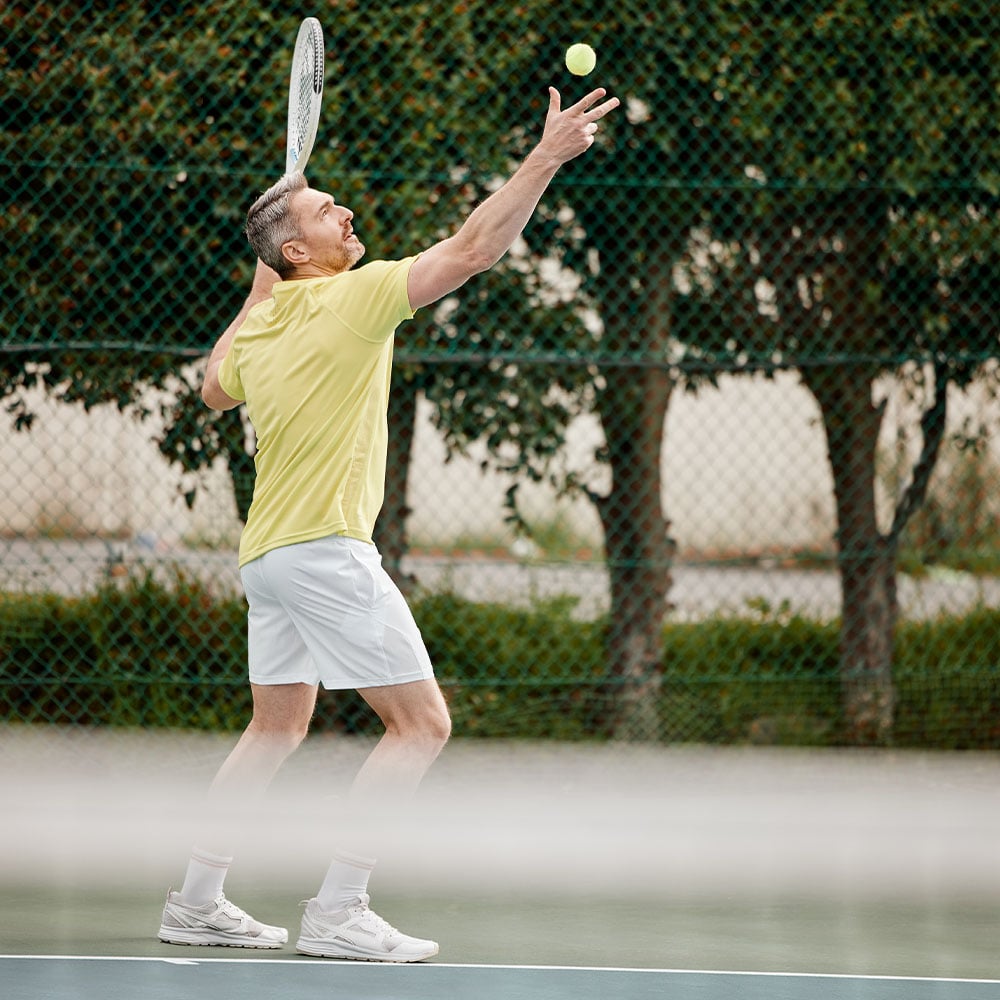
- Continuing with golf, hiking, tennis or other interests
- Looking after yourself when you need to, and being there for your family
Physical Assets to Build Before and After Retirement
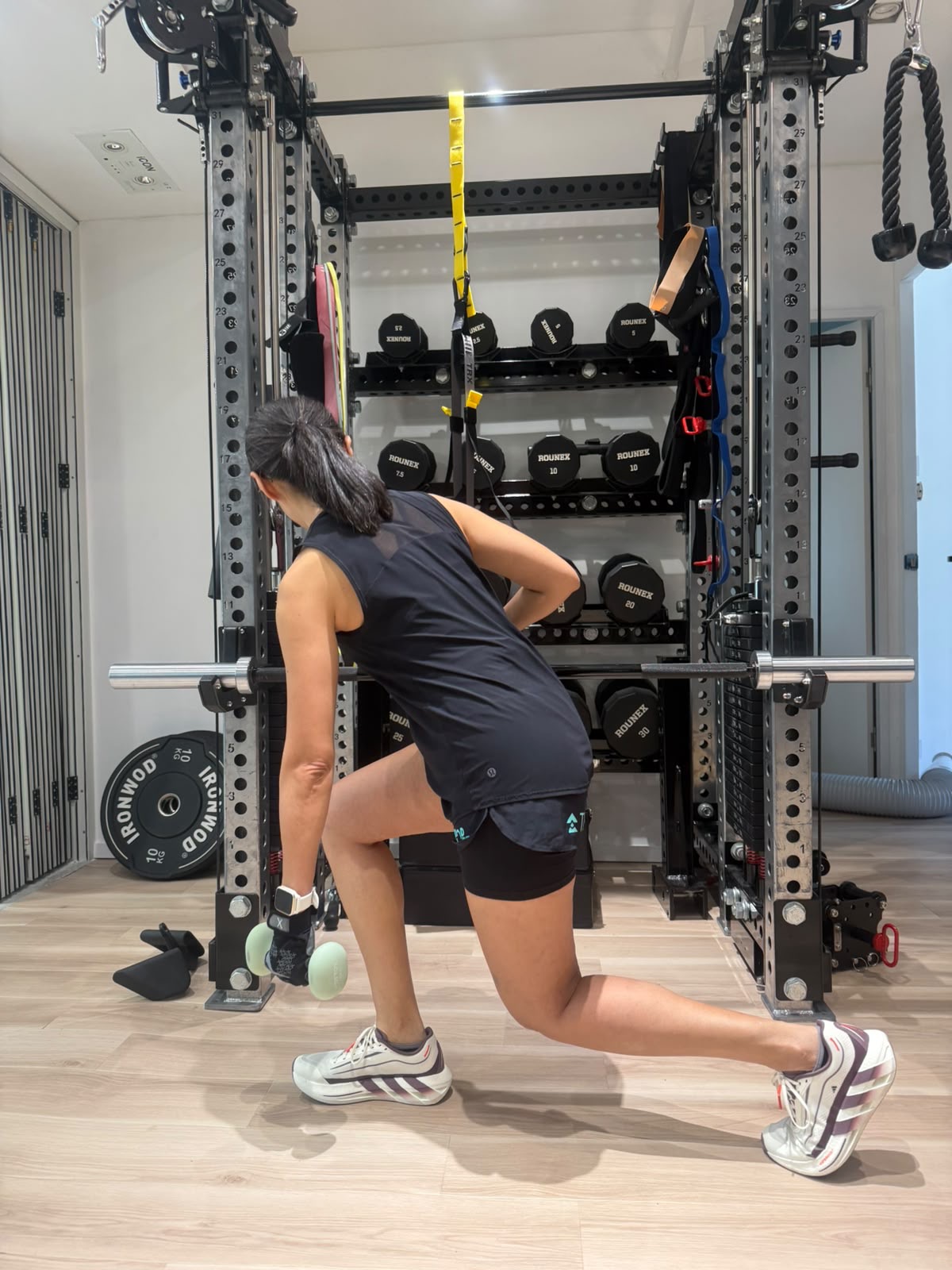
Strength:Strength supports standing up, lifting, climbing stairs and walking long distances. It does not belong only in the gym; it is a key capacity for maintaining an independent life.
Balance and reaction:Balance needs to adjust in time when you turn, when the surface changes or when your attention is elsewhere. For people who worry about falling, training should combine lower-body strength, gait and multidirectional weight transfer, rather than only practising standing still on one leg.
Cardiorespiratory endurance:Travelling, hiking or spending a whole day out all require endurance. Activity should be built up gradually in line with your current health, and you do not need to complete all the recommended hours at once.
Mobility and coordination:Joints need enough mobility, but also the ability to control it. How the ribcage, pelvis, hips, ankles and upper limbs coordinate affects turning, lifting and walking efficiency.
What We Can Do
If you are currently active and want to maintain your function and prepare for the future, you can build on sustained weight-bearing, balance, coordination and your personal interests.
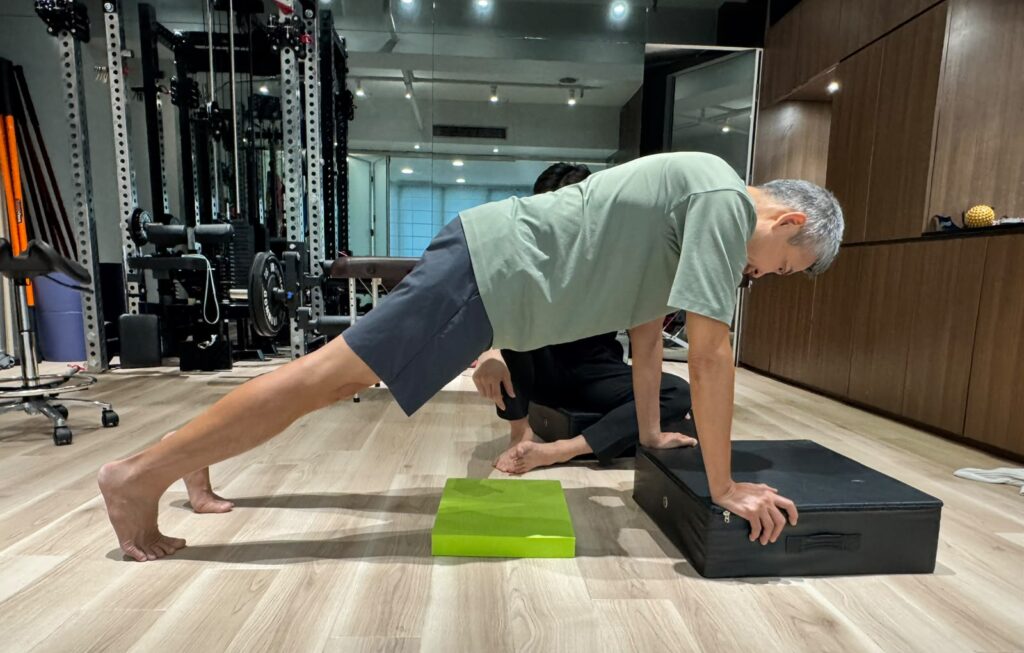
If you are affected by pain, limited mobility or surgery, you can gradually rebuild basic movement, weight-bearing and confidence, following your medical guidance and within appropriate limits. Where pain treatment is involved, services are provided according to individual needs by a registered physiotherapist or a certified Anatomy Trains Structural Integration practitioner. Physiotherapy services are provided only by registered physiotherapists, while dynamic training is led by our Movement Specialists.
Whether you want to maintain your function or are dealing with recurring pain, you can use the four stages of DynaStrength Training™: Unlock → Load → Rebuild → Consolidate. The difference lies in your starting point, load and life goals, not in classifying capability by age.
One-to-One Training and Group Classes
One-to-one training suits people who need detailed movement observation, have clear life goals or require more individual adjustment. Group Classes let people who are suited to group exercise build a regular routine within a clear theme and shared pace.
Which format is right should depend on your current movement capacity, health condition, personal preference and whether you need professional follow-up, not on age alone.
Setting Measures for Your Retirement Goals
Rather than only recording body weight, track the abilities that relate to your life: sit-to-stand control, walking time, performance on steps, carrying distance, balance, changing direction and recovery after activity. At every review, ask the same question: do these changes bring you closer to the life you want?
Retirement is not just leaving work. It is choosing again how your time is used. When your body has the capacity, the choices are truly yours.