
Not All Discomfort Needs to Be "Treated"
Train Actively. Rebuild What Your Body Can Do.
Before we begin, there is something important we would like to say to adults in midlife and beyond—and to anyone supporting a parent as they grow older:
【Treat yourself, and the people you care for, as capable individuals.】 It is often assumed that training later in life should place as little demand on the body as possible. But muscles need an appropriate level of progressive challenge to maintain and rebuild strength. Massage, pain relief and rest may help you feel better for a time. When the goal is to regain strength, balance and confidence in movement, however, passive relief alone may not be enough.
At TOBETTRA, we developed an Active Training System, DynaStrength Training™ which helps you to practise using your body again—progressively, purposefully and in ways that connect with everyday life.
Open Up | Identify areas of tension and movements that feel restricted
Stand Strong | Develop core control, stability and confidence under load
Go Further | Strengthen the lower body and practise steadier walking for everyday life
Move with greater confidence at TOBETTRA
Walk steadily today. Go further tomorrow.
Led by certified Movement Specialists
Losing Strength/ Feeling Unsteady/ More Hesitation in Movement
Understanding Your Physical State
As the body changes over time, you may notice differences in strength, balance, mobility and confidence.
However, these experiences do not automatically mean that improvement is no longer possible. They may simply mean that your current approach no longer matches what your body needs.
The following areas can influence how comfortably and confidently you move. They are not presented as medical diagnoses. TOBETTRA’s role is to assess movement and functional capacity, then provide appropriate training within that scope.
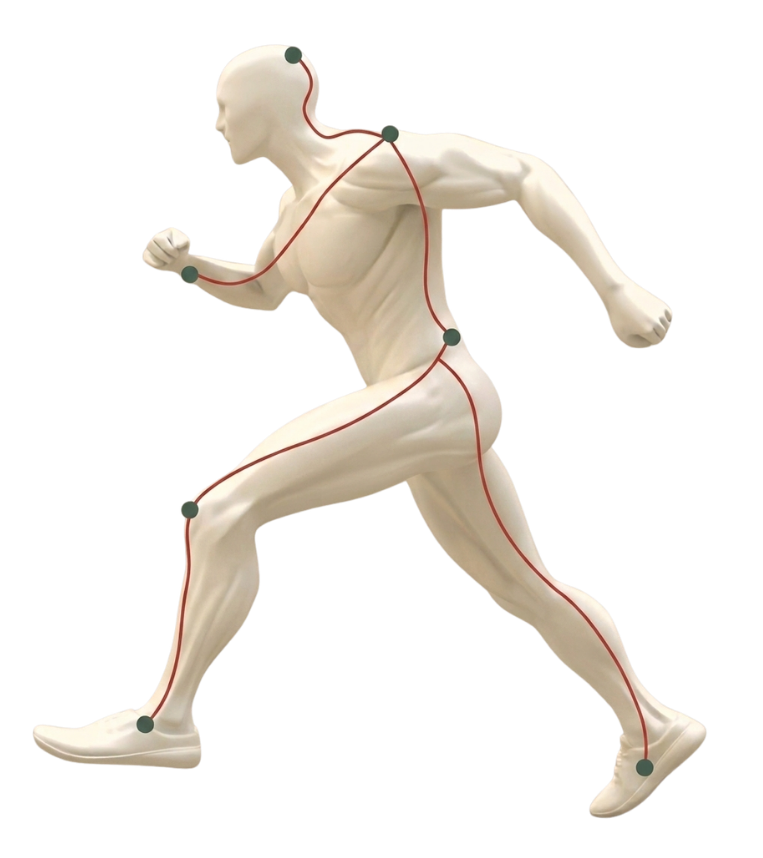
Head, Neck and Breathing
- You may notice: Neck tension, difficulty relaxing your breathing, or a sense that upper-body tension affects the way you move.
- What we observe: Breathing patterns, neck and upper-back movement, and how tension changes during simple movements.
- Our Approach: Gentle breathing and movement exercises may support relaxation, body awareness and more comfortable movement.
Shoulders
- You may notice: * Diagnosed frozen shoulder: Difficulty reaching overhead or behind your back.
• Rotator-cuff injury or osteoarthritis: Reduced confidence when lifting, or discomfort during dressing and grooming.
• Underlying Cause: Major Joint Alignment & Mobility Restoration are the main points. - Underlying Cause: Shoulder-blade movement, trunk control, range of motion and how the shoulder responds to light resistance.
- Our Approach: We gradually restore usable movement and introduce appropriate load, helping the shoulder and trunk work together more effectively.
Hands and Wrists.Common Concerns:
- Reduced grip confidence, wrist discomfort during daily tasks, or difficulty coordinating the hand and forearm.
- What we observe: Grip, wrist position, forearm movement and how the upper limb works as a whole.
- Targeted exercises can improve movement control and build tolerance for everyday actions such as carrying.
- How training may help: Opening containers and supporting body weight. Persistent or worsening numbness should receive medical assessment before it is treated as a training issue.
Spine & Lower Back: Core Stability & Decompression
- You may notice: Sciatic discomfort, herniated discs, unsteady gait, nocturnal back stiffness.
- Underlying Cause: Spinal degeneration caused by core muscle dysfunction.Nerve compressioncan lead to limb numbness or difficulty walking.
- Our Approach: Applying movement-based structural realignment alongside core stability training to strengthen physical support, bringing the spine back to a neutral position for lasting resilience.
Legs & Knees: Circulation & Lower-Body Strength
- You may notice: Knee degeneration, intermittent leg fatigue or numbness while walking, cramping, cold sensations, heavy legs, reduced strength.
- Underlying Cause: A combination of: joint degeneration, sarcopenia, andperipheral vascular efficiency.
- Our Approach: Combining PNF techniques with targeted strength training to reinforce the lower body, protect delicate joints, and ensure every step is confident and stable.
Chest & Abdomen: Internal Alignment & Vitality
- You may notice: Chest tightness, epigastric discomfort, acid reflux, bloating, indigestion.
- Underlying Cause: Metabolic imbalance or strain on internal systems, leading to persistent fatigue and diminished vitality.
- Our Approach: Optimizing digestive and respiratory movement mechanics to support internal metabolic efficiency and reduce systemic physical strain.
Feet & Ankles:You may notice:
- Biomechanics & Proprioceptive Reactivation: Plantar fascia discomfort, frequent ankle rolls or sprains.
- Underlying Cause:Plantar fascia issues stem from posterior chain tension and arch collapse. Frequent sprains indicate impaired proprioception—when the brain loses precise awareness of ankle positioning.
- Our Approach:
Releasing tight posterior fascia to improve foot mechanics, combined with balance training and PNF techniques to reactivate nerve sensors and stabilize the ankle.
Feet & Circulation: Fluid Balance & Distal Vitality
- Common Concerns: Foot and ankle swelling (tight shoes by evening, slow rebound when skin is pressed).
- Underlying Cause: Reduced fluid circulation combined with structural compression—such as pelvic misalignment or calf muscle pump weakness hindering venous and lymphatic return.
- Our Approach: Targeted ankle and calf muscle activation to restore natural muscular pump action and encourage fluid balance.
Led by certified Movement Specialists
Walking becomes unsteady, stairs require a firm grip on the handrail, and standing for long periods leaves legs feeling weak.
Sarcopenia, Instability & Unsteadiness
From age 40 onward, muscular capacity can gradually decline when the body is not receiving enough activity or appropriate resistance.
At the same time, long-established movement habits may cause one area to do more work than another—for example, relying heavily on the knees rather than sharing the effort through the hips and trunk:
- Needing to pause for breath halfway up a flight of stairs.
- Legs suddenly feeling weak when walking downhill or down stairs, causing a reflex grab for the handrail.
- Knees or back aching when bending down or reaching high; legs or hands trembling after prolonged standing.
- Struggling to generate strength post-surgery despite joint mobility, with conventional exercises showing limited progress.
Led by certified Movement Specialists
Midnight calf cramps, joint stiffness preventing smooth turning, and restless sleep.
Cramps, Stiffness & Sleep Disruption
Persistent muscular tension and stiffness can disrupt sleep.
While medication may offer temporary comfort, it rarely addresses the root cause: restricted mobility and tissue tension.
As movement decreases, muscle fibers lose elasticity and their natural capacity for self-repair.
- Standing up after sitting all day with hips and back feeling "rusty" and stiff.
- Lie in bed, yet your body never seems to relax fully.
- A sudden calf cramp wakes you during the night and makes it difficult to settle again.
- You feel less steady when turning, walking or using stairs.
Led by certified Movement Specialists
Numbness in hands and feet, long-standing aches, and discomfort unresponsive to medication.
Numbness & Persistent Discomfort
Numbness and deep discomfort rarely happen overnight; they build up gradually.
Our body relies on an "internal structural frame"—deep core muscles from abdomen to back, pelvis to glutes—to support the spine.
When these muscles remain inactive, the spine loses support, placing pressure on nearby nerves and causing radiating pain or numbness.
- Fingers feeling numb, as if wearing a thick glove, with sensation feeling delayed.
- Numbness appearing suddenly, accompanied by limb weakness.
- Aches in shoulders, neck, or joints; sharp discomfort radiating from glutes down to the thigh or calf when bending down or climbing stairs.
Dynamic Training × Structural Restoration|Replacing Passive Care with Active Movement
Transform How Your Body Moves. Health will Follow.
Life is meant to be lived actively. When discomfort or uncertainty causes you to stop moving altogether, strength, balance and confidence can become more difficult to maintain.
TOBETTRA’s signature DynaStrength Training™ uses gentle, targeted guidance to reactivate deep stabilizer muscles without pain—teaching them to automatically support and protect your joints during bending, turning, and walking.
After 3 Months, Our Clients Experience Tangible Transformation:
Bending down without needing support, walking for half an hour without fatigue, and standing comfortably during conversations. Falling becomes a distant concern, opening the door to travel, enjoying the seasons, and sharing quality time with family.
A Professional, Personalised, and Progressive Training Process
Build a Body That Supports Your Life
Step 1. Start with a Conversation About Your Body
Step 2. Build a Personalised 3-Month Roadmap
Step 3. DynaStrength Training™ × Structural Integration
Movement Specialist designs and guides DynaStrength Training™ around your individual physical condition. Where appropriate, this is combined with structural integration or treatment delivered by a suitably qualified practitioner.
Step 4. Measure the Change After Three Months
As you rebuild physical capacity and see the evidence of your own progress, confidence in your body naturally returns. After three months, we review your progress as clearly as you would review a performance report
More than training—a lifestyle education for lifelong vitality.
Real Experience, Remarkable Transformation
“I used to wake up every morning with a stiff lower back. Now that my mobility is back, even my doctor asked what I’ve been doing.”
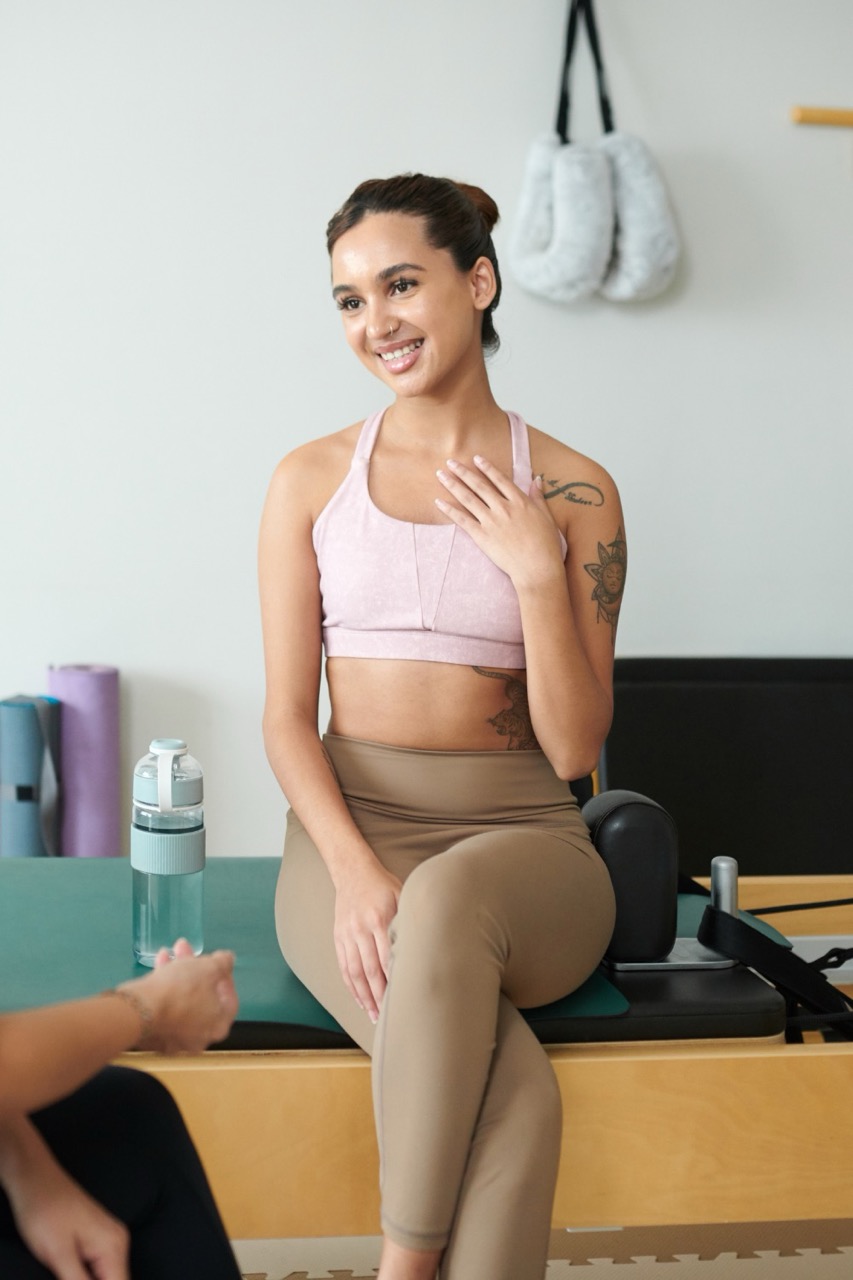


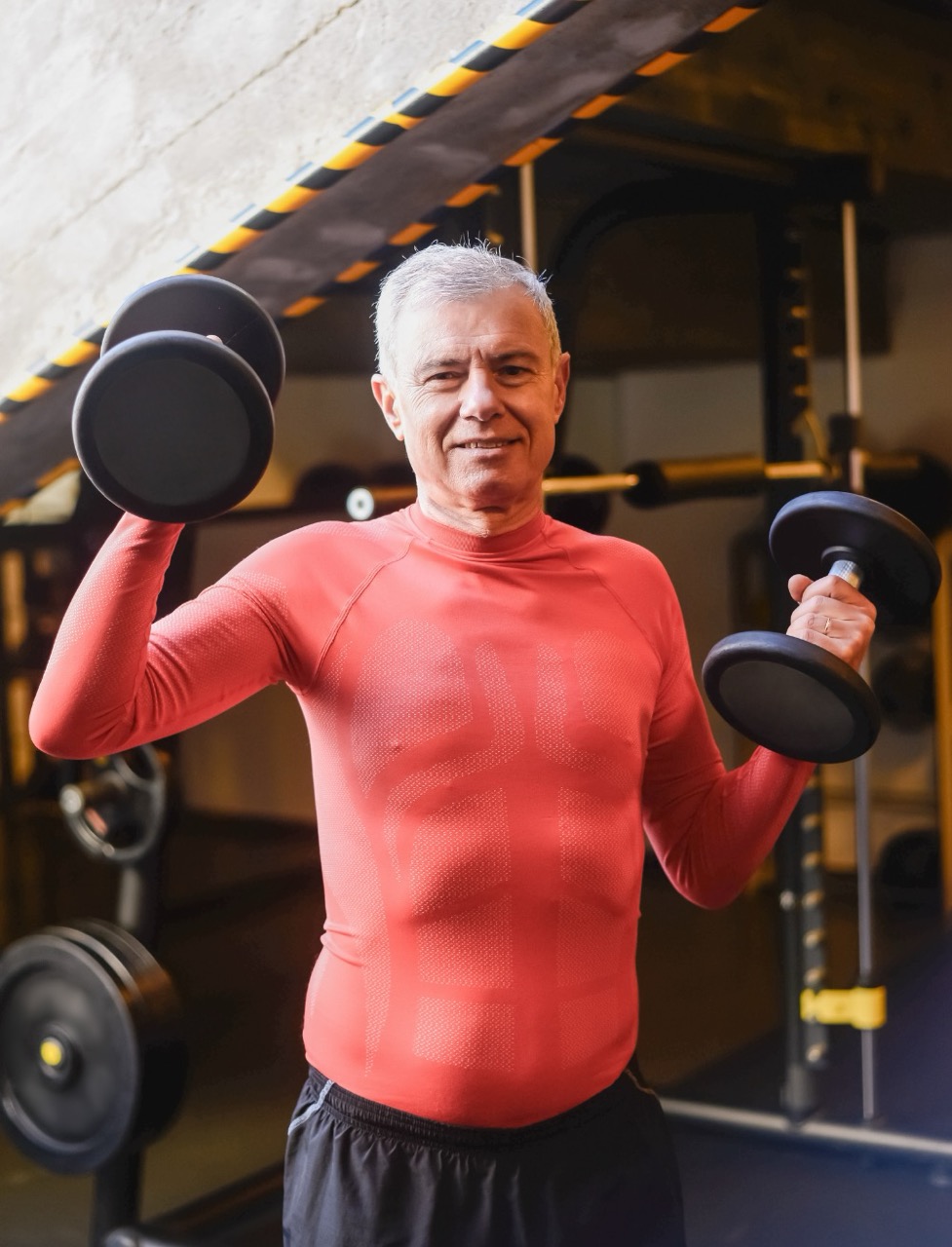
The Sheung Wan location is convenient, and the team is attentive and patient.
Coach Jake is professional. He will custom design exercises and workouts based on my needs. He is very nice and patient.
01Booking with TOBETTRA
Online / WhatsApp Inquiry:wa.me/8525114 1428。
Every journey begins with a conversation. Tell us about the movement that currently feels most difficult—and the activity you most want to continue enjoying.
Our team will recommend an appropriate service and starting point based on your needs. Your first one-to-one session already includes movement observation and baseline recording, so there is no need to book a separate assessment beforehand.
02In-Studio/ In-Home Experience
You will work closely with a Movement Specialist in a private, supportive environment at our Sheung Wan studio. We also provide In-Home Service!
- What can I expect during a session?:
- Each session is adapted to your functional baseline, current response and personal goals. Depending on what your body needs, the programme may include mobility work, core control, progressive resistance, balance, coordination and movement patterns connected to everyday life.
- The objective is not simply to complete exercises. It is to help you use your body with greater control when standing, turning, carrying, climbing stairs and doing the activities you want to continue enjoying.
- Customized 3-Month Quantifiable KPI Program:
- Co-designing a treatment and training roadmap with clear, quantifiable milestones to be achieved within 3 months.
- Transparent breakdown of service frequency, session content, and lifestyle recommendations.
- All objectives are documented in a service agreement to ensure guaranteed efficacy.
- Is the training safe if I am experiencing pain or haven't exercised in years?:
- Yes. We specialize in working with mature adults and seniors. Training begins at an intensity matched to your present capacity.
- Finalization & Health Records: Finalizing the service plan and establishing your Bespoke Hxealth Profile, which includes diagnostic data, KPI metrics, and your specialized treatment/training roadmap for future tracking.
We do not force movement or push past safe limits; instead, we find the right level of challenge to help your body adapt safely and comfortably.
03Progress Tracking & Milestones
Post-Service Synchronization: After every session, we sync with you on your body's response, allowing for dynamic micro-adjustments to your subsequent sessions.
Monthly Formal Reviews::
- Your Movement Specialist reviews objective indicators alongside you, using functional measurements and before-and-after comparisons to clearly illustrate your progress.
- During these reviews, we address any questions you may have and refine the next stage of your programme according to your body’s actual rate of progress.
3-Month Achievement Verification:A comprehensive assessment at the end of three months to evaluate your movement milestones, review functional improvements, and document what your body can now comfortably achieve.
Long-Term Health Maintenance:Once your primary milestones are established, we transition into a Quarterly Maintenance Phase. This phase provides ongoing guidance and periodic check-ins to ensure your "To Better" results remain lasting and sustainable.